Black holes
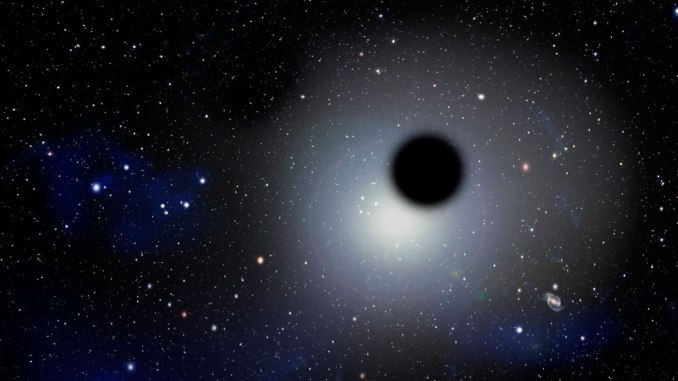
Black holes are so dense, and produce such intense gravity, that nothing, not even light, can escape their gravitational clutches. However, there are some unusual situations where a form of radiation called Hawking radiation, can slip away. If you somehow got too close to a black hole and were sucked in by its gravitational pull, it would pull harder on your feet than on your head. You would get stretched out, or spaghettified by the intense pull. You would NOT survive the experience!
Black holes are the only objects in the Universe that can trap light by sheer gravitational force. Scientists believe they are formed when the corpse of a massive star collapses in on itself, becoming so dense that it warps the fabric of space and time.
And any matter that crosses their event horizons, also known as the point of no return, spirals helplessly toward an unknown fate. Despite decades of research, these monstrous cosmological phenomena remain shrouded in mystery.
Matter spiraling into a black hole is torn apart and glows so brightly that it creates the brightest objects in the Universe – quasars.
The swirling gases around a black hole turn it into an electrical generator, making it spout jets of electricity billions of kilometers out into space.
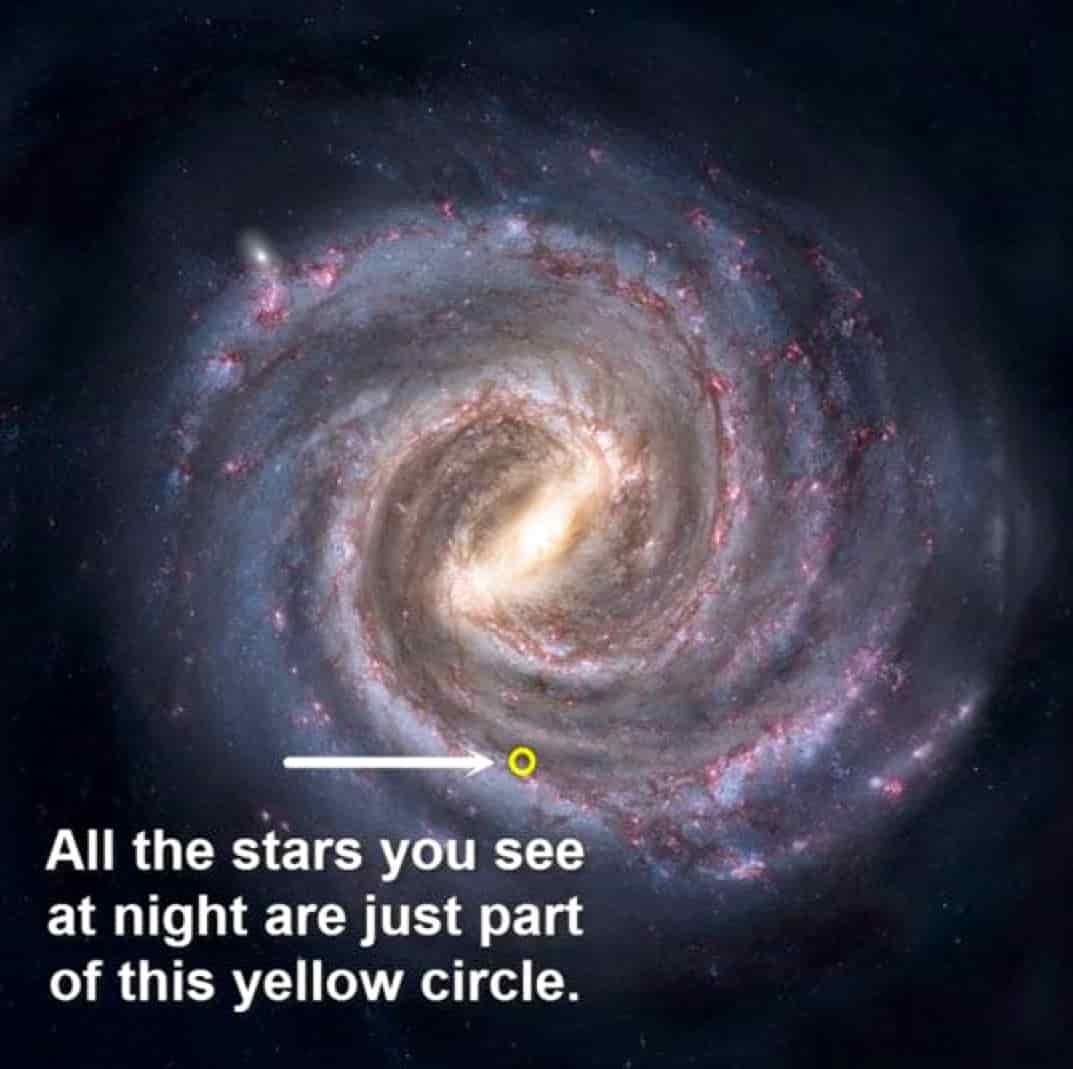
Scientists believe there is be a supermassive black hole at the centre of nearly every galaxy, including our own. These black holes actually anchor galaxies, holding them together in the space.
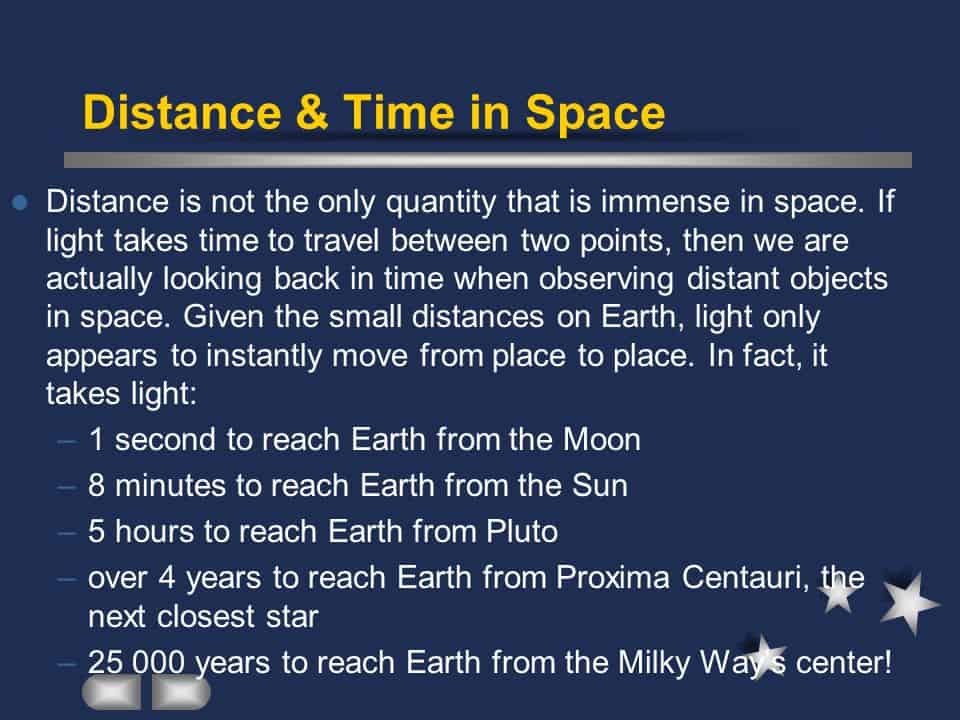
The black hole at the centre of the Milky Way, Sagittarius A, is more than four million times more massive then our sun. Although the black hole, which is almost 30,000 light years away, is pretty dormant at the moment, scientists believe that 2 million years ago it erupted in an explosion that may have even been visible from Earth.
The opposite of black holes are estimated to be white holes which spray out matter and light like fountains.